
I recently visited S&S Woodworking, a business that makes rocking chairs. The nondescript building tucked into the heart of a small community in rural Illinois generates a livelihood for several Christian families. The machinery is engineered and arranged with strategy and forethought, and the finished products – well-built, American-made rocking chairs – are fascinating. These families produce a product that is sold across the U.S., and they do it with class.

The effort and creativity that go into making a space thrive and produce always gives me a thrill, whether the space is a factory, farm, or kitchen. To see the person fully inhabit that place, discern its nuanced opportunity, and then harness the unique aspects of the situation to produce a valued product or service never ceases to amaze me. A well-used space is a thing of beauty.
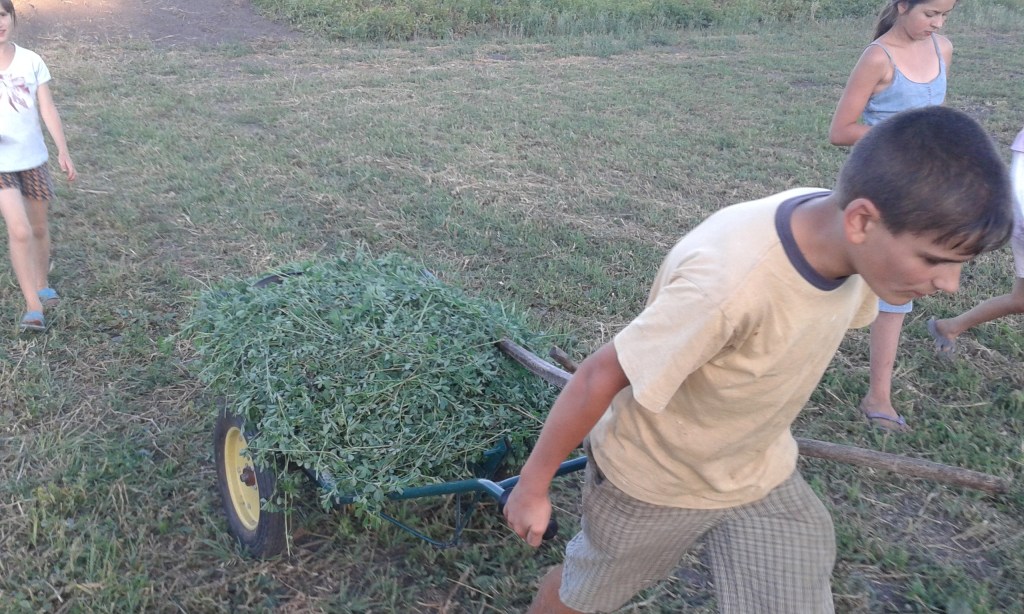
It fascinates me even more to watch people who have so little do so much with it – an African farmer growing cabbages on 1/10 of an acre using vertical metal pipes filled with compost with divots cut into the side. A family growing a flock of goats that give wool, milk, and cheese. Danny, my 12-year-old Ukrainian friend, would cut fresh alfalfa by hand to feed his 32 rabbits. They use what they have and “grow the pie.”
There is no greater contribution than to develop a place to be used well. It is the genius of a woodworker taking the latent produce of a tree’s hundred-year history and fashioning it into beautiful, usable products. It is the butcher working on a carcass, making high-value steaks magically appear. With each person working in his place, not just for the public’s good but for his own good, the world is transformed into a better place. Products are invented. Services are rendered. Wealth is created.
Adam Smith, author of The Wealth of Nations, put it this way,
“In almost every other race of animals each individual, when it is grown up to maturity, is entirely independent, and in its natural state has occasion for the assistance of no other living creature. But man has almost constant occasion for the help of his brethren, and it is in vain for him to expect it from their benevolence only. He will be more likely to prevail if he can interest their self-love in his favour and show them that it is for their own advantage to do for him what he requires of them. Whoever offers to another a bargain of any kind, proposes to do this. Give me that which I want, and you shall have this which you want, is the meaning of every such offer; and it is in this manner that we obtain from one another the far greater part of those good offices which we stand in need of. It is not from the benevolence of the butcher, the brewer, or the baker that we expect our dinner, but from their regard to their own interest.”
https://www.adamsmith.org
Missions have long realized that the gospel can be boosted when we take food to the hungry or medical care to the sick. People who are not thinking of spiritual needs welcome our help in other forms. So what about countries that are languishing for the lack of economic life? What about places that desperately need people who know how to create products and services that stir markets and provide employment?
Business and ministry unfortunately have been seen as mutually exclusive – you either make money or do ministry. You shouldn’t try to do both, especially not at the same time. For years there was a prohibition on missionaries being involved in any “money making enterprise.” People in ministry were supposed to just give and serve to meet needs, and business people were supposed to just provide the money that made it possible.
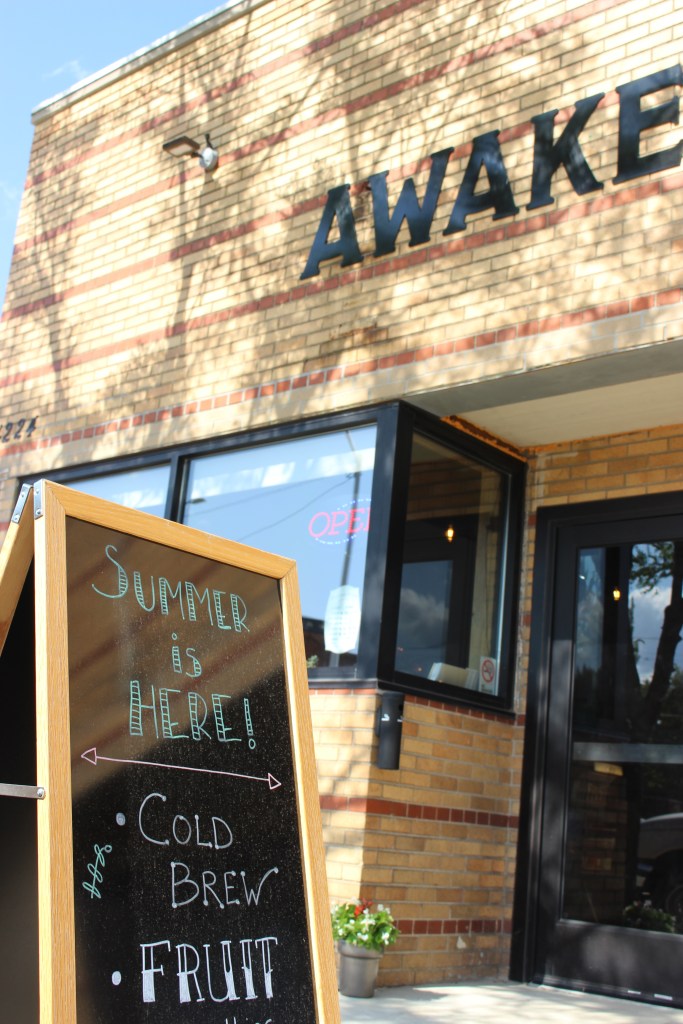
In the past few years, many are finding a new understanding of the role business can have. While it’s not a new idea, it’s a new approach to ministry for many of us. “Social enterprise,” business with more than one “bottom line,” impacts people in many ways, including spiritually. AWAKE Cafe is a great example of this. While the goal of the shop is to help fund our ministry endeavors, we also have an opportunity to minister to the customers who frequent our shop. Development effort, the process of helping people to help themselves, isn’t just “teaching people to fish;” it is making them vested owners in the pond. Projects like the pizza shop in Honduras are doing exactly that.

While many countries are closed to the Gospel from traditional missionaries, they are wide open for Christian businessmen and professionals. What if the work they did and the funds they generated made it possible for the Gospel to reach into new territories that have not before accepted missionaries?
While the Gospel message never changes, the methods of getting it there might. Gone are the days when a missionary would pack his belongings in his casket and expect to spend the rest of his life on a field. With most locations less than 20 hours away by air, the world is more accessible than ever before. While long-term missionaries are extremely valuable, the changes in travel have made new forms of ministry possible as well.
More than ever before we need entrepreneurs and business professionals who are willing to use their skills to spread the Gospel. Are you one of those? If you are, we’d like to talk with you!
 The Gathering at Victory Acres
Eric, thanks for the article. I cannot agree more. This sacred/secular divide needs to stop. The church needs to awaken to the idea that God’s next revival in America and across the world may very well take place outside the four physical walls of a church buildin and within the hearts and leadership focus of the local small business. At least, this is what I’m working toward and praying the church awakens too.
Appreciate you brother…
321Go with Grace,
Brett
LikeLike
Appreciate you too, Brett!
LikeLike