
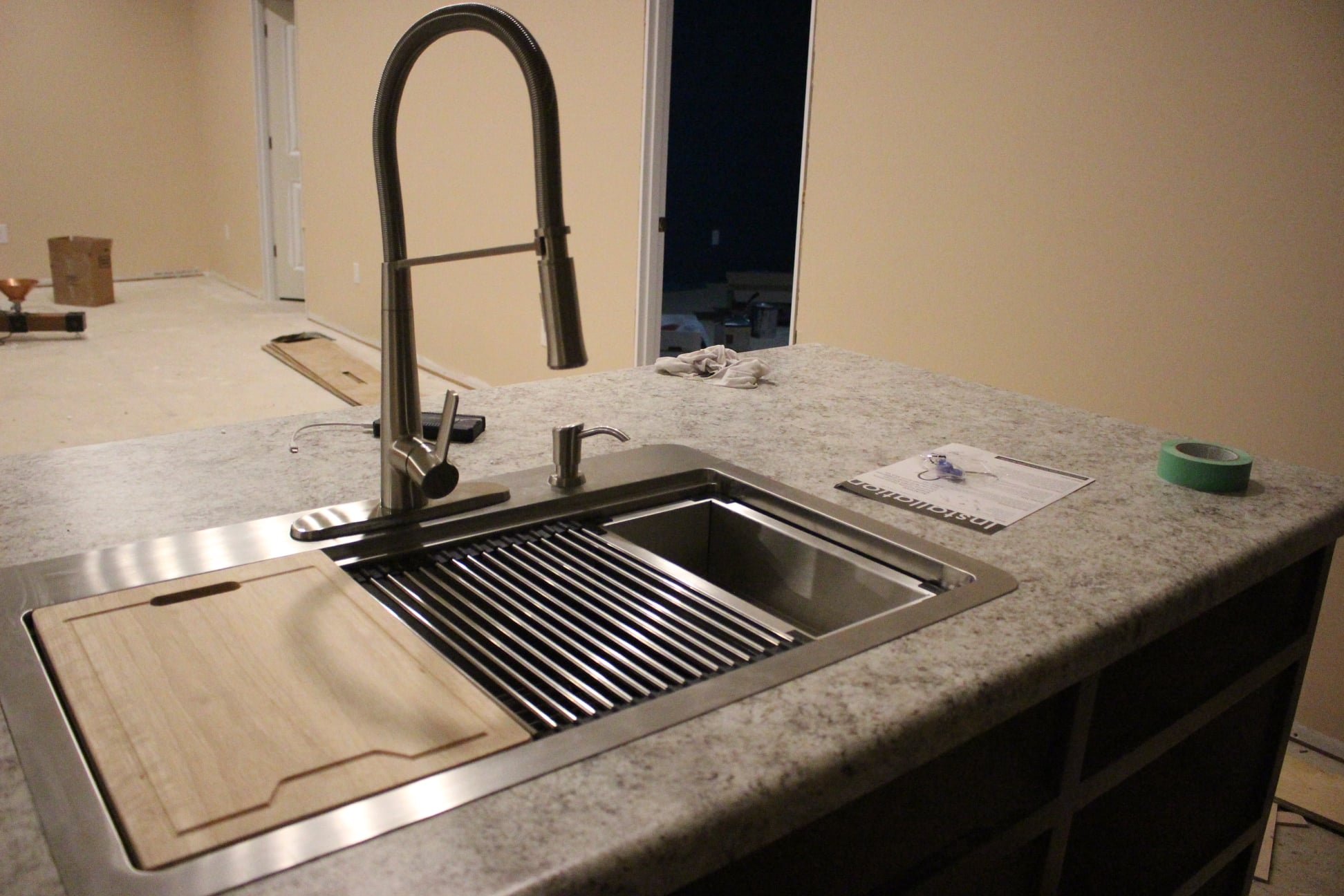
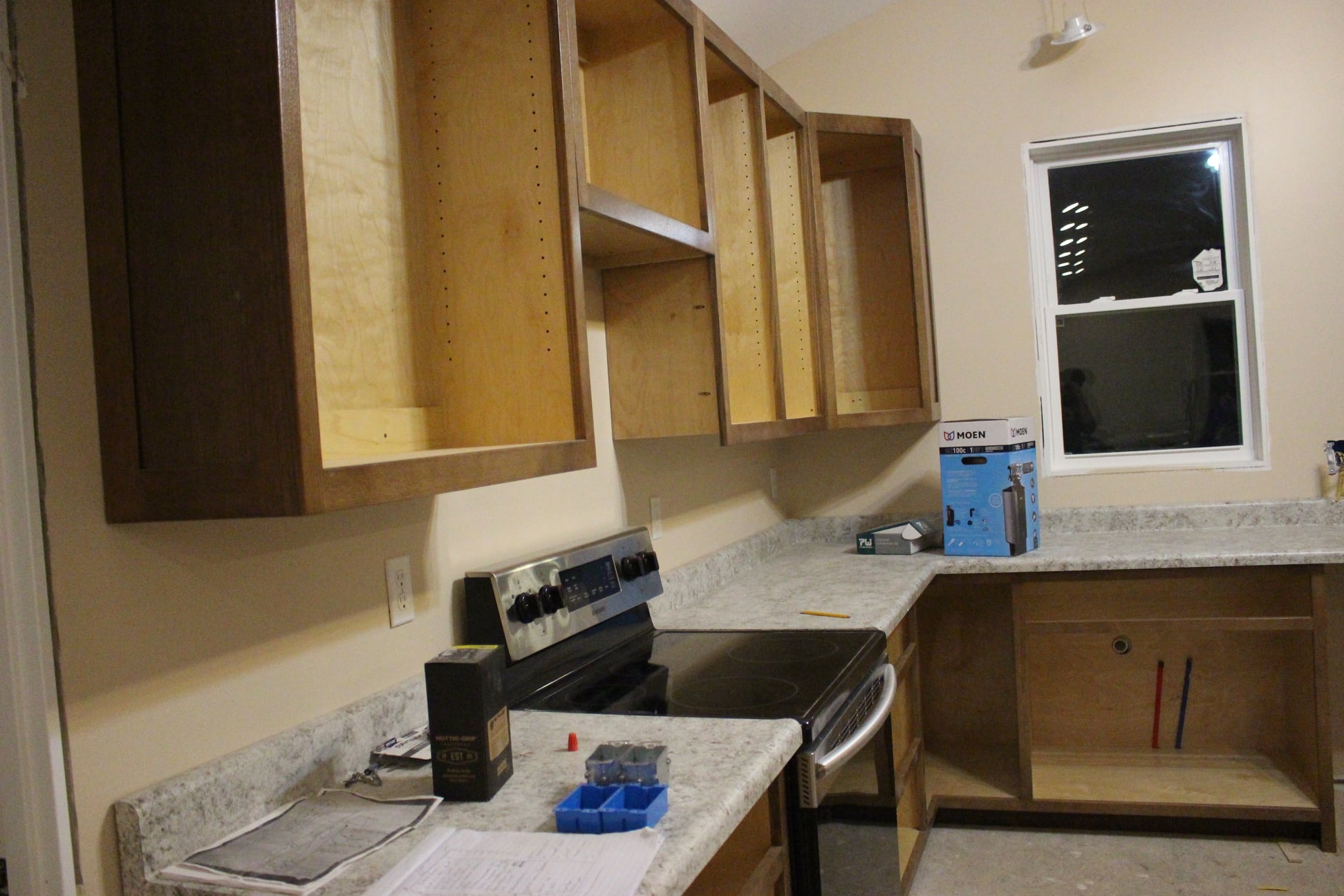
For the past year we have been building a new home. I have learned many lessons along the way, but perhaps the most important lesson is also the simplest – it’s much harder to build something than it is to tear it down. In building, little things matter.
We live in an age of deconstruction. Defying authority, asking “the hard questions,” and challenging the “status quo” have all become the cardinal virtues of our age. Because of our prosperity, we now have time to “consider” things that former generations did not. When your main questions in life are ones of survival, (e.g. What am I going to eat today? Where will I get clean water? Or where am I going to sleep tonight?) the questions that you have time to contemplate are very basic. That, or slightly above it, is the level at which nearly half of the world lives.
In the United States, even the poorest among us have access to options that the world’s poor could only dream about: free food programs, quality healthcare available to all, low or no-income housing, job training programs, and free public education. While there are certainly systemic problems and this is not meant as an endorsement of the U.S. welfare system, a broadminded assessment of world-wide need will bear me out.
There are not many places in the world where people could afford to “protest” for over a hundred days as they have in Portland, OR this year. For that matter, there are not many places that you could riot, tear down statues, spray paint streets, bust out windows, vandalize businesses, burn down buildings, and loot stores with impunity, but we are living in an age of deconstruction. This is what passes for progress.
The recent riots are a visual reminder of what has been going on at a philosophical level for a much longer time. The ability to saw off the limb on which one is standing is lauded. If it were not for the constitutional protections of freedom of speech and assembly, rioters could not make their voices heard while calling for the destruction of the very forces designed to protect those freedoms (e.g. “Defund the police.”)
A similar phenomenon is going on in Christian circles. People who have not built anything feel free to level criticisms designed to tear down the places that they call their spiritual home. To be sure, there are times where hard questions need to be asked, but they should be asked with a constructive desire to build better. We should “provide things honest in the sight of all men.” I am not talking about covering things up and expecting people just to “trust us.” What I am referring to is the wholesale attack on Scriptural authority and essential Christian doctrine. I am talking about pastors and theologians who no longer believe that Scripture is the inspired, inerrant Word of God continuing to fill pulpits of Christian churches and professorships at evangelical colleges and seminaries. I am talking about these leaders undermining the faith of the faithful, leaders who no longer believe that Jesus is the Son of God continuing to fill positions of Christian leadership. Instead of resigning and finding that place where their beliefs align with their message, they seek to destroy the institutions built by others that have provided them their platform and privileges.
A few years ago, we had a guest at Victory Acres. His name was Frank. He was a simple-minded, back-woods, shade-tree mechanic from Kentucky. He set out to repair a nearly new garden tiller that had stopped working. He was successful in tearing it apart. He figured out how to do that, but what he could not do was to put it back together again. We still have a bucket with his name on it, and the pile of parts that he left us are still waiting for someone with skills enough to put them back together.
I have watched as too many intelligent people that I love and care for go down the path of deconstruction. They begin to take their faith apart one piece at a time, and at some point, they reach a point of no return. They have a pile of parts and no way to make sense of them. They know what they don’t believe, but they no longer know what they do believe. They lose their way in the darkness with disastrous consequences both personally and for their families.
“And to him that thinks he stands, take heed lest he fall.” None of us are above it. I have stood on the abyss of some of those deep questions and realized that there are some things I may never know with scientific certainty. While I have had many unanswered questions, I have come back again and again to one foundational truth. While the truth of Christianity is far reaching, it all hinges on one historical event – the resurrection of Jesus Christ. While there are a number of theological points on which we may differ, the cornerstone of our household of faith is this truth: Jesus is alive! Everything lasting is built upon that foundation.
I will admit it. There are a lot of things I don’t know or understand. I don’t see very clearly or very far, but by faith, I believe that God is in Christ reconciling all things to Himself. I believe that Jesus is alive, and when all is said and done, I don’t want to just be on the right side of history, I want to be on the right side of eternity.
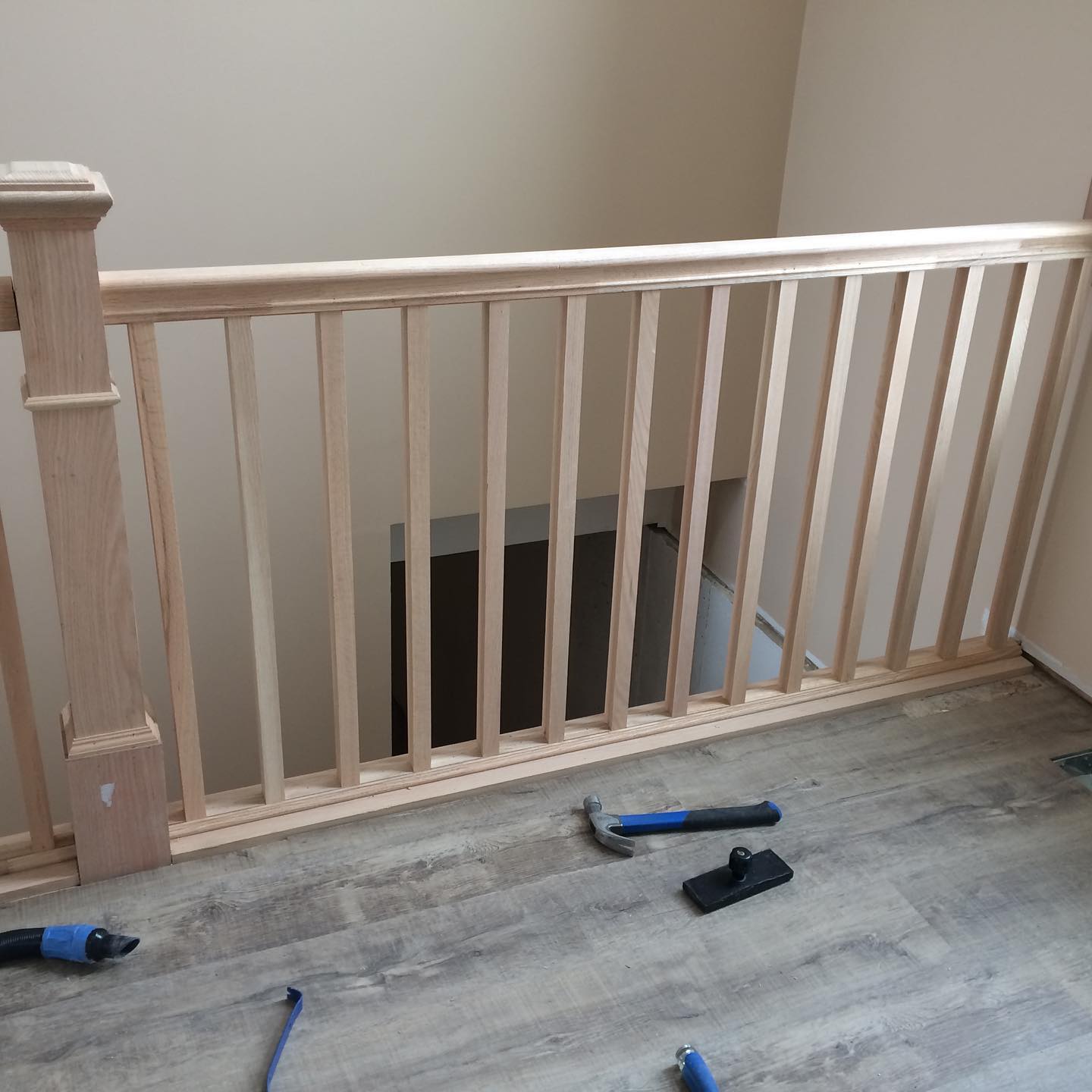
It is challenging to build. Trust can take a lifetime to build and be destroyed in a few moments of indiscretion. A financial legacy built with years of frugality and hard work can be spent in a few minutes with a drug dealer. A family’s trajectory can be altered by a simple choice to trade a birthright for a bowl of soup. It’s a lot harder to build something than it is to tear it down.
So what are you building that will last? What are you investing in today that will outlive you? Building in an age of deconstruction means that we must resist this spirit of our age. It may mean simple choices, but they can have profound implications.
Rather than a cutting comment in response to that latest political post, what can you do that will build bridges instead of walls? What note could you write that would encourage someone who is hurting? What phone call could you make to invest truth to someone whom others have overlooked? What habits could you be forming in your home that will teach children who will carry forward those truths into homes of their own?
Building happens one habit, one brick at a time. Little things matter.
 The Gathering at Victory Acres